

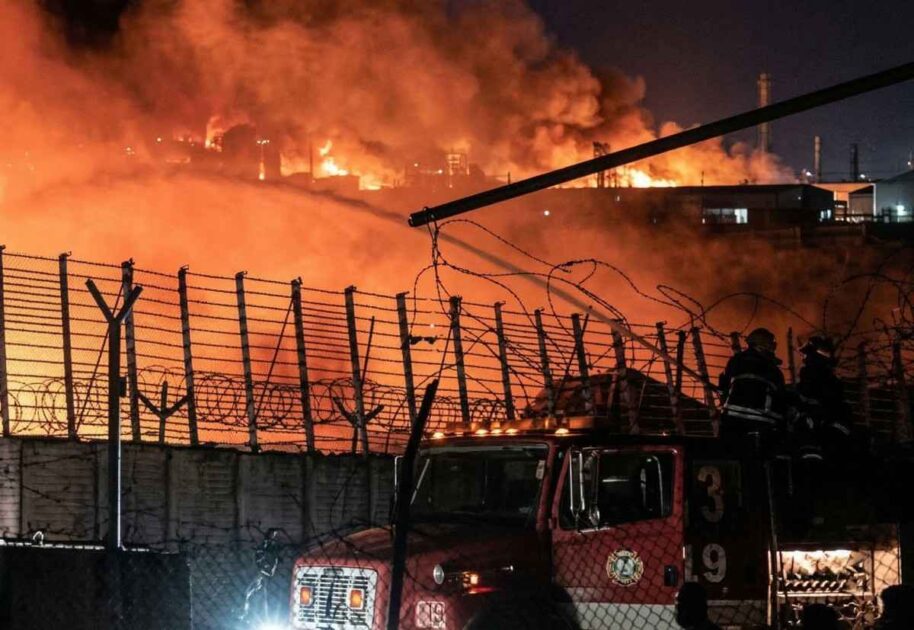

KABUL, AFGHANISTAN — Pakistan launched a direct airstrike on the Omid Addiction Treatment Hospital in Kabul on Monday evening, killing at least 400 people, according to Afghan government spokesperson Hamdullah Fitrat, immediately escalating a three-week border conflict into a major urban war.
Military officials in Islamabad spent weeks insisting their operations strictly targeted militant border camps. The total destruction of a 2,000-bed medical facility deep inside the Afghan capital now forces 650 civilian casualties into a conflict that previously bypassed traditional frontlines.
The strike directly impacts over 2,000 patients and hundreds of medical staff who were inside the compound during the holy month of Ramadan. Emergency responders transported approximately 250 injured survivors to nearby medical centers that completely lack the surgical capacity for mass trauma.
Facility blueprints and medical registration records reviewed by this publication confirm the compound operated exclusively as a civilian healthcare center. The documents show zero military footprint within a two-mile radius of the site, contradicting the official defense from Pakistani military command.
Budget papers examined by reporters indicate the hospital received critical funding to treat severe narcotics addiction across the region. The destruction eliminates the largest dedicated rehabilitation infrastructure in the country, leaving thousands of recovering patients without critical medical support.
In the western district of Kabul, local rescue teams spent Tuesday morning pulling bodies from the still-burning rubble. A dispatched BBC crew on the ground witnessed 30 bodies removed on stretchers within a single hour.
Satellite Footage Exposes Pakistan Airstrike On Kabul Civilian Hospital
The sheer scale of the destruction triggered immediate international condemnation from verified observers on the ground.
Independent journalists shared initial footage showing the hospital’s main wards completely flattened, contradicting official denials of civilian casualties.
The incident reveals a massive contradiction between the two warring governments:
| Claim Category | Afghanistan Official Stance | Pakistan Official Stance |
|---|---|---|
| Target Hit | Omid Addiction Treatment Hospital | Terrorist support infrastructure |
| Casualties | 400 dead, 250 injured civilians | Hundreds of militant fighters killed |
| Facility Nature | Marked civilian medical center | Confirmed military installations |
Afghan government spokesperson Zabihullah Mujahid condemned the bombing as an unprovoked massacre.
“The strike targeted civilian sites to perpetrate horrors,” Zabihullah Mujahid said.
Officials in Islamabad immediately rejected the allegations. Prime Minister spokesperson Mosharraf Zaidi dismissed the claims as baseless fabrications designed to manipulate international opinion.
“Our strikes precisely targeted military installations and terrorist support infrastructure,” Pakistan’s Ministry of Information claimed.
To counter Islamabad’s narrative, Afghan government spokesperson Suhail Shaheen invited international journalists and diplomats to physically visit the site. Health Ministry spokesperson Sharafat Zaman confirmed the facility bore clear markings identifying it as a medical rehabilitation center.
400 Casualties Force Urgent United Nations Action In Afghanistan
The hospital bombing represents the deadliest escalation of Operation Ghazab Lil Haq, a military campaign Pakistan initiated in late February 2026.
The three-week conflict stems from three distinct triggers:
- Cross-border attacks on Pakistani military outposts
- Allegations that Kabul harbors Tehreek-e-Taliban Pakistan (TTP) militants
- The subsequent declaration of “open war” by Islamabad
Former Afghan President Hamid Karzai warned that continued military actions will fail to achieve Pakistan’s security objectives and will only destabilize the entire region further.
The United Nations formally demanded an immediate halt to all cross-border military operations following reports of civilian deaths. Rescue crews in Kabul expect the death toll to rise as heavy machinery clears the remaining collapsed hospital wards.
