


The Duffer Brothers’ first post-Stranger Things production arrives on Netflix today — but early reviews reveal the show’s greatest tension isn’t between its characters. It’s between the promise of the premise and the patience required to reach it.
LOS ANGELES — All eight episodes of Something Very Bad Is Going to Happen, a psychological horror miniseries executive produced by Matt and Ross Duffer through their Upside Down Pictures banner, dropped on Netflix at 3 a.m. ET on Thursday, March 26, marking the first original series the brothers have shepherded to screen since Stranger Things concluded.
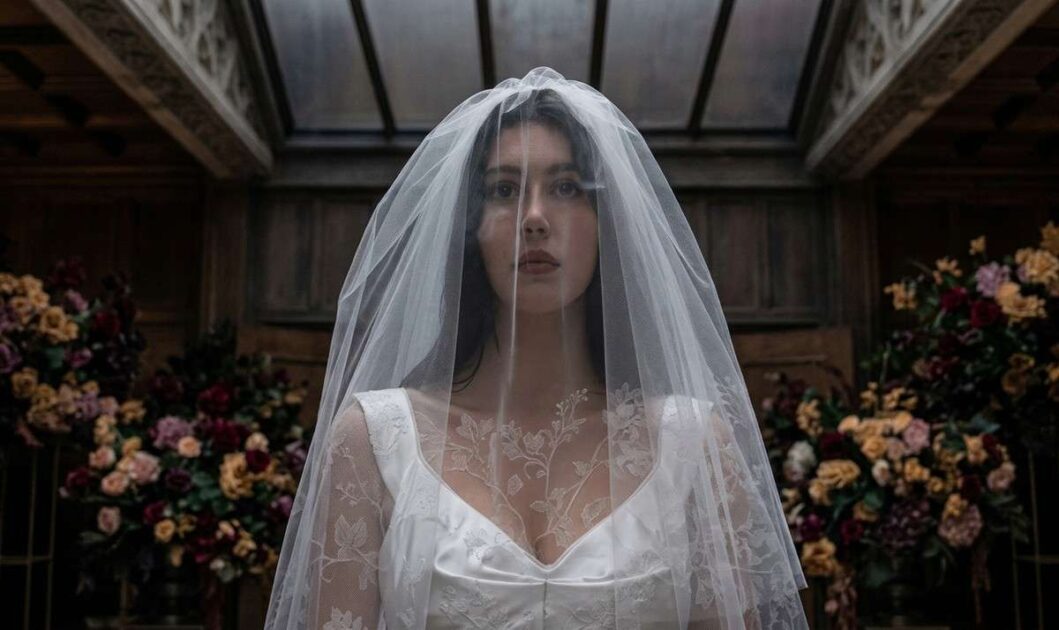
The series was created and showrun by Haley Z. Boston, whose previous credits include Guillermo del Toro’s Cabinet of Curiosities and Brand New Cherry Flavor. It follows Rachel (Camila Morrone) and her fiancé Nicky (Adam DiMarco) as they travel to his family’s remote, snow-covered vacation home for an intimate pre-wedding gathering — one that unravels into escalating dread as Rachel becomes convinced something catastrophic is coming.
Critical reception: atmosphere vs. pacing
Early reviews published today confirm the show delivers on its core tonal promise but divide sharply on whether that promise is fulfilled efficiently. Variety called it a series with “a great hook, but [one that] takes too long,” while Collider praised its “atmospheric tension and body horror.” The Hollywood Reporter described it as “a clever spin on prenuptial jitters.” What most critics agree on: the series is not a genre thrill ride. It is a slow, deliberate study in dread — and that restraint is simultaneously its strength and its liability.
The most telling early signal is Episode 4, which critics have singled out as the season’s standout hour. Shot in a found-footage style that departs from the rest of the series, it has been described as “tighter, stranger, and scarier” than the surrounding episodes — suggesting Boston had a sharper gear available that she deployed only once.
Emmy-nominated director Weronika Tofilska, known for helming episodes of Baby Reindeer, directed four of the eight episodes and serves as executive producer. Directors Axelle Carolyn and Lisa Brühlmann complete the directorial team. The supporting cast includes Jennifer Jason Leigh as family matriarch Victoria, Ted Levine, Jeff Wilbusch, Karla Crome, Gus Birney, and Zlatko Burić.
The real stakes for Upside Down Pictures
What makes today’s premiere more consequential than a standard Netflix drop is its timing relative to the Duffers’ career trajectory. According to Screen Rant, the brothers signed a four-year deal with Paramount in August 2025, which activates when their Netflix agreement officially ends in April 2026 — just weeks away. Something Very Bad Is Going to Happen is effectively the last original, non-Stranger Things property they will deliver under that Netflix relationship.
Upside Down Pictures still has two further Netflix releases queued for 2026: the animated Stranger Things: Tales From ’85, set for April 23, and the sci-fi drama The Boroughs, arriving May 21. But those are franchise-adjacent. This miniseries is the one that had to prove Upside Down Pictures could develop original IP with no nostalgia to rely on.
Boston has described the show’s horror philosophy as rooted in psychological unease rather than shock — “getting under your skin,” she said, rather than jump-scare mechanics. That approach sits closer to Rosemary’s Baby than Stranger Things, and the Duffers’ involvement signals a deliberate pivot away from the 1980s supernatural aesthetic that defined their decade at Netflix.
Whether audiences follow them into that new register is the question the next 48 hours of viewing data will answer. Netflix does not release same-day numbers, but the critical reception today suggests the series will find a devoted audience among horror fans who value atmosphere — and frustrate viewers expecting the propulsive pacing of the Duffers’ previous work.
The show’s most honest review may be its own title. Something very bad is going to happen — it just takes a while to arrive.
