
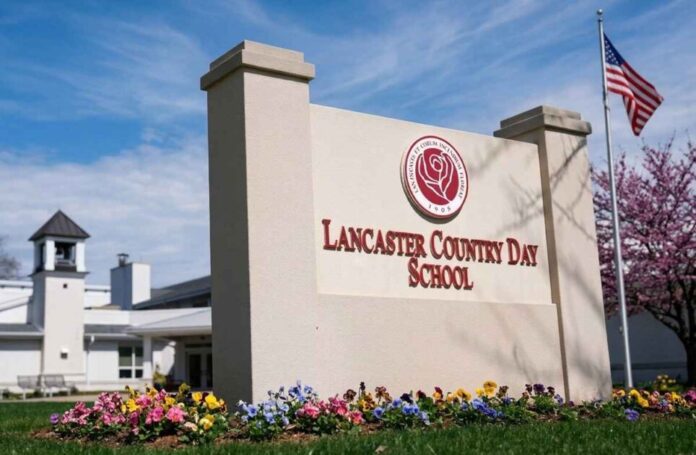
Two teenagers sentenced to probation for creating AI-generated nude images of 60 girls now face a second legal front — a civil lawsuit targeting the private school that knew about the abuse months before police did.
LANCASTER, Pennsylvania — A Lancaster County juvenile court sentenced two 16-year-old boys to two years of probation on Wednesday, March 25, for producing 347 AI-generated sexually explicit images of 59 female minors, according to the Pennsylvania Attorney General’s office — but the legal reckoning for the private school at the center of the scandal is just beginning.
The sentencing closed the criminal chapter. The civil one is now opening.
Nadeem Bezar, a partner at Philadelphia law firm Kline & Specter representing at least 10 victim families, confirmed he intends to file a lawsuit against Lancaster Country Day School and any other parties his team determines bear responsibility. That filing was being held until after Wednesday’s disposition hearing — which, according to Bezar, has now concluded.
School’s delayed response under scrutiny
The core of the civil case is not what the boys did. It is what the school failed to do after it found out.
Lancaster Country Day School first received an alert about the images as early as November 2023, after a concerned student flagged an accidentally-sent nudified image through a state-run tip line. Rather than notify parents or police, former school head Matt Micciche took no action for roughly six months, according to findings from the Lancaster County District Attorney’s Office. The school filed a ChildLine report only in May 2024 — by which point the total number of victims had continued to grow. Law enforcement did not launch a criminal investigation until parents independently alerted police.
That six-month window is central to the civil claims. Bezar was direct about it: “The school knows that they have this deepfake issue, and they all of a sudden add this clause to their enrollment contracts. That to me seems a little disingenuous and unfair.”
The clause he referenced is a recently added provision in the school’s reenrollment contracts that discourages families from publicly criticizing the institution — a detail first reported by USA Today after multiple parents raised concerns. The school’s current head, Emile Kosoff, declined to address the contracts directly, saying only that the school continues to “prioritize the health and well-being of our students.”
But here is the complicating factor for the lawsuit: Lancaster District Attorney Heather Adams concluded that Micciche was not legally required to act, because a gap in Pennsylvania’s mandatory reporting law exempted schools from reporting child-on-child abuse. That loophole may significantly limit criminal liability — but civil courts operate under a different, lower standard of negligence, which is precisely where Bezar’s case will be argued.
Pennsylvania state lawmakers have since pushed to close that gap, with legislation advanced in October 2025 that would require school officials to report AI-generated child sexual abuse material immediately upon discovery. That bill had not yet been signed into law as of sentencing day.
Each victim was required to manually review binders of photographs, marking their own faces to help investigators establish the full scope of the abuse — a process advocates described as re-traumatizing. Victims at the sentencing hearing told the court the images had “destroyed” their sense of safety and required ongoing therapy.
The two defendants, who were 14 when the crimes were committed, admitted earlier this month to 59 felony counts of manufacturing child sexual abuse material and conspiracy charges. Judge Leonard Brown III sentenced each to two years of probation, 60 hours of community service, no contact with victims, and an unspecified restitution amount. Brown told the courtroom that had the boys been adults, they would likely be heading to state prison. Neither defendant addressed the court or apologized.
Their records could be expunged in two years if they remain clean — meaning the civil court may ultimately become the only permanent legal record of institutional accountability in this case.
The lawsuit, when filed, is expected to test whether a private school’s duty of care extends to acting on early warnings of peer-generated AI abuse, even absent a legal mandate. Given the mandatory reporting loophole, the outcome is far from certain.
